November 4, 2026

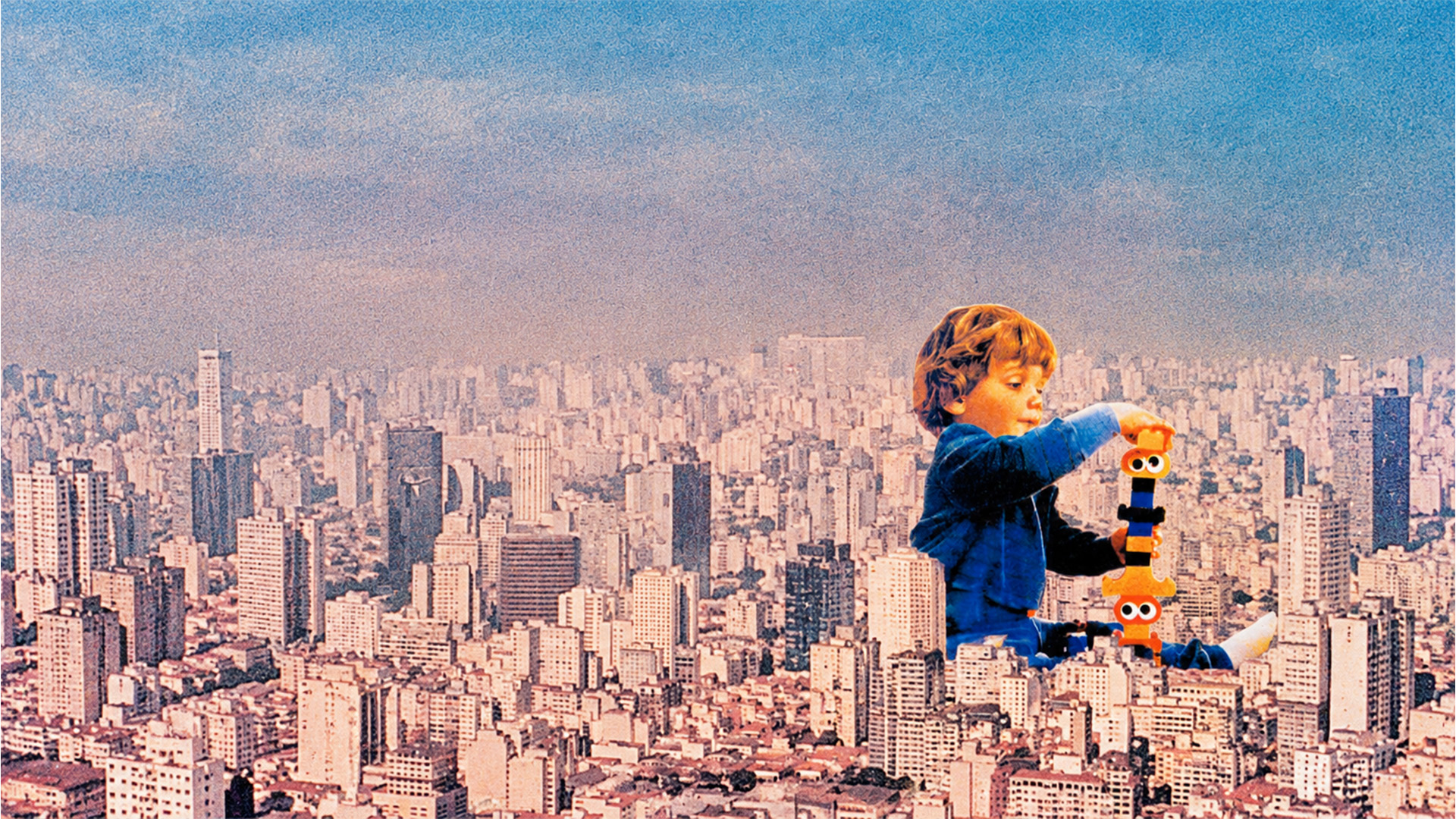
Everyone wants to be a creator now. A DJ, a designer, a content maker, an artist. Our feeds are overflowing with content, yet it sometimes feels like the audience has disappeared. Who's actually out there to listen, watch or feel any of it?
We have officially given everybody the power to make anything, whether or not they have the skill to make it. AI and a borderless internet have a lot to do with that. Between them, they've solved the creation problem.
Think back to what publishing anything used to take. Writing an article meant sitting down and actually writing it, after a whole afternoon of research to crack the idea. Making a film needed a decent camera, editing skills, software, sound design, a crew and hours of work.
Building a website meant knowing how to code, or paying someone who did. Designing something professional needed design skills. Making a track meant hours and hours in a studio. The list goes on.
That effort did a quiet job: it filtered. Not everything got made, so most of what did get made had someone behind it who cared enough to push through. AI has compressed most of that work into a prompt, and the filter has gone with it.
The result is already measurable. Around 106,000 new tracks now land on streaming services every day, and nearly half of all tracks got 10 streams or fewer last year. At Deezer, more than half of daily uploads are now AI-generated. Merriam-Webster’s human editors have chosen “slop" as the 2025 word of the year: low-quality digital content, produced in quantity, usually by AI.
Personally, I don't think the problem was ever that we were running out of creativity. Attention is what we were running out of, and now it's becoming a much bigger problem.
Supply has exploded, but the hours in a day haven't moved. If anything, people are pulling back. A GWI study for the Financial Times, covering about 250,000 adults in more than 50 countries, found daily time on social platforms is just over two hours, down 10% in 2022. More content, chasing the same or fewer minutes.
For brands, this is where it gets expensive. Attention researcher Professor Karen Nelson-Field has found that 85% of digital ad impressions last under 2.5 seconds, too short to build or refresh a memory. Her estimate is that about 43 cents of every advertising dollar is wasted on low-attention media.
So the question for any marketer isn't "can we make more?" We can. Everyone can. The question is "why would anyone stop for this?"

Sign up for your fortnightly dose of cultural curiosities, brand provocations, and creative chaos to fuel your evolution.
Here's the twist: people haven't stopped wanting good content. They're saving it for a version of themselves who will one day have the time.
Writer Abha Ahad calls it digital hoarding in a recent Girl Online piece. One 26-year-old she interviewed hit YouTube's 5,000-video limit on his Watch Later playlist and started "Watch Later II". Saving feels like progress, she writes, so we keep scrolling without the guilt. But the future self who'll catch up on it all will be just as tired and just as busy.
She also points to the platforms. As algorithms started rewarding saves and shares over likes, creators packed more in: ten-slide carousels, faster reels, more information than anyone can take in at once. Unfortunately, overload became the format.
That's the creator overload in a nutshell. Everyone is broadcasting, the audience is bookmarking, and almost nobody is actually listening. For a brand, a save isn't attention. It's a polite "maybe later" that usually means never.
When everyone can make, making is no longer the advantage. Taste is. Restraint is. Knowing your audience well enough to give them something worth their time is. Here's what the brands getting it right are doing:
The brands that win the next few years won't be the ones producing the most. They'll be the ones people actually choose to give their attention to.
The same people as always, with less time and higher standards. That's not bad news. It just changes the job.
We've spent the last decade asking how to make more, faster and cheaper. AI has answered that question for good. The new one is harder and much more interesting: what's worth someone's attention?
Creativity was never the scarce thing. Being heard is. The brands that understand that will stop shouting into the overflow, and start making things people actually want to stop for.