November 18, 2026
If I had a dollar for every time I’ve heard “we need to grab people in the first 3 seconds” in a creative meeting, I’d have enough to fund an epic long-form TVC.
It’s one of those lines that gets said so often, by so many people, that it starts to feel like fact. Make it shorter, front-load the logo or the brand, get to the point straight away or lose them forever. No one ever makes a 60 anymore, we all cut the 30 to a 15, the 15 to a 6.
But I don’t actually believe people's attention spans are shorter, I think they just know what’s boring.
Oppenheimer was three hours long. Three hours of mostly men in rooms talking about physics and it made close to a billion dollars worldwide. Christopher Nolan’s The Odyssey was also 3 hours long and the IMAX was selling out 6am sessions because people wanted to see it so badly.
Players of Baldur’s Gate 3 have spent, on average, around 100 hours in the game (according to Steam). Not 100 seconds. 100 hours. I have personally played 94 hours of BG3.
Adolescence, a drama where every episode was shot in a single continuous take, with no cuts to hide behind, became one of Netflix’s biggest shows of 2025 and people talked about it for weeks.
People binge entire seasons in a weekend. They listen to three-hour podcasts. They watch 40-minute video essays about films they’ve already seen. They queue up for midnight releases and lose whole Sundays to card games.
That doesn’t sound like people who have short attention spans to me.
What people have is less patience for things that don’t deserve their time. They’re not distracted, they’re selective. They have an infinite scroll of brilliant, funny, strange, beautiful things competing for every second, and they’ve become very, very good at spotting what isn’t worth it.
So what we actually have is a quality problem.
When we cut an ad down to six seconds because “nobody will watch longer”, we’re often not solving for attention at all. We’re just making something shorter and less interesting.
Short isn’t the enemy. Some of the best work ever made is tiny. Look at the long long list of incredible short indie games out there (let me know if you want any recommendations). Short only becomes a problem when it’s short because it was briefed that way and not because it's the best way to show the work. When length gets decided by a media plan and not by the idea.

Sign up for your fortnightly dose of cultural curiosities, brand provocations, and creative chaos to fuel your evolution.
But we aren’t Christopher Nolan.
We’re not making movies. We’re selling ball bearings, medicine and bin bags.
SKF makes bearings, the small metal parts that keep machines spinning. So they launched the Faroe Islands Space Program, a ‘space program’ that harnesses the moon’s pull with underwater tidal turbines, without ever leaving Earth. Zero paid media, 25 million views, and a Grand Prix at Cannes this year.
In New Zealand, more than 600,000 people can’t get medicines that are publicly funded overseas. A funding gap is about as dry as a brief gets. So 17 health charities built the Forbidden Pharmacy: a shop where every medicine sat locked behind glass, with what New Zealanders pay privately shown next to what’s paid overseas.
And Tossr’s bin bags are so strong they’ve left maggots homeless. So it opened the world’s first maggot adoption agency.
There’s no such thing as a boring brand. Only boring briefs.
Instead of “how short can we make it?”, or “what does it look like in 6s” what if we asked “how do we make it worth watching?”
Because the things people give their attention to have something in common. They make you feel something. They surprise you. They build tension and then pay it off. They have rhythm, character, and a reason to stay. They respect the audience instead of rushing them.
Those are craft questions. Writing, directing, editing, sound. The stuff that takes time and talent, and the stuff that usually gets squeezed out of the budget first.
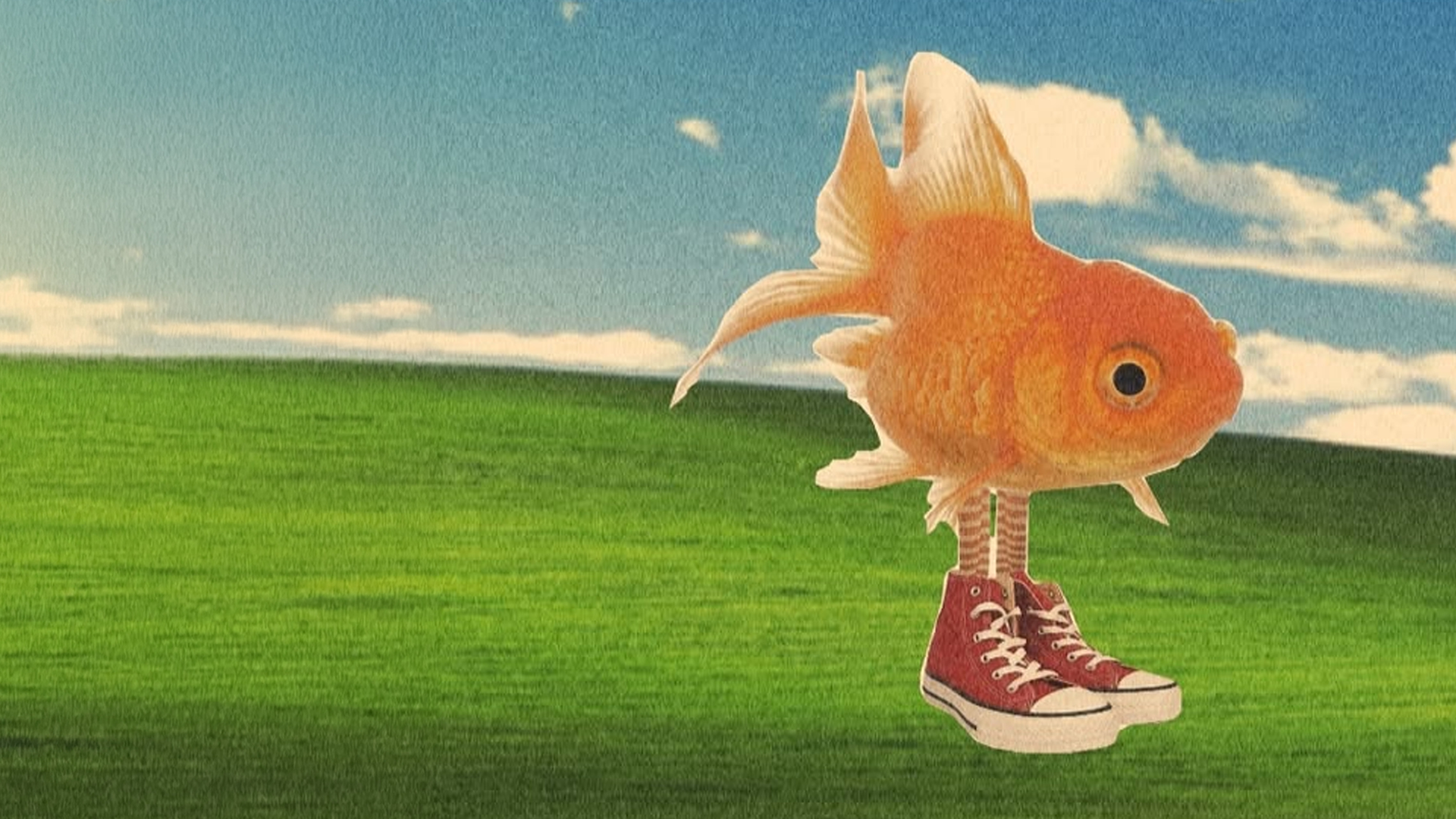
The myth that everyone now has the attention span of a goldfish is comfortable because it lets everyone off the hook. If attention is short, then it’s not the idea that failed, it’s the audience or consumer. It helps to justify smaller budgets, faster turnarounds and more cutdowns. More for less, again.
But audiences aren’t the problem, they’re out there right now, watching three-hour films and playing hundred-hour games and binging shows with 5 seasons in a week.
They have plenty of attention to give, we just have to make something worth giving it to.